
ALL ABOUT ASPHALT
ALL ABOUT ASPHALT
Asphalt
Also Known As:
- Hot Mix Asphalt (HMA)
- Asphalt Pavement
- Blacktop
- Asphalt Concrete (AC)
- Plant Mix
- Bituminous Concrete
- Bituminous Pavement
How Asphalt is Made
Today modern asphalt is manufactured at state of the art automated asphalt plants that produce material far superior and more consistent than any other time in history.
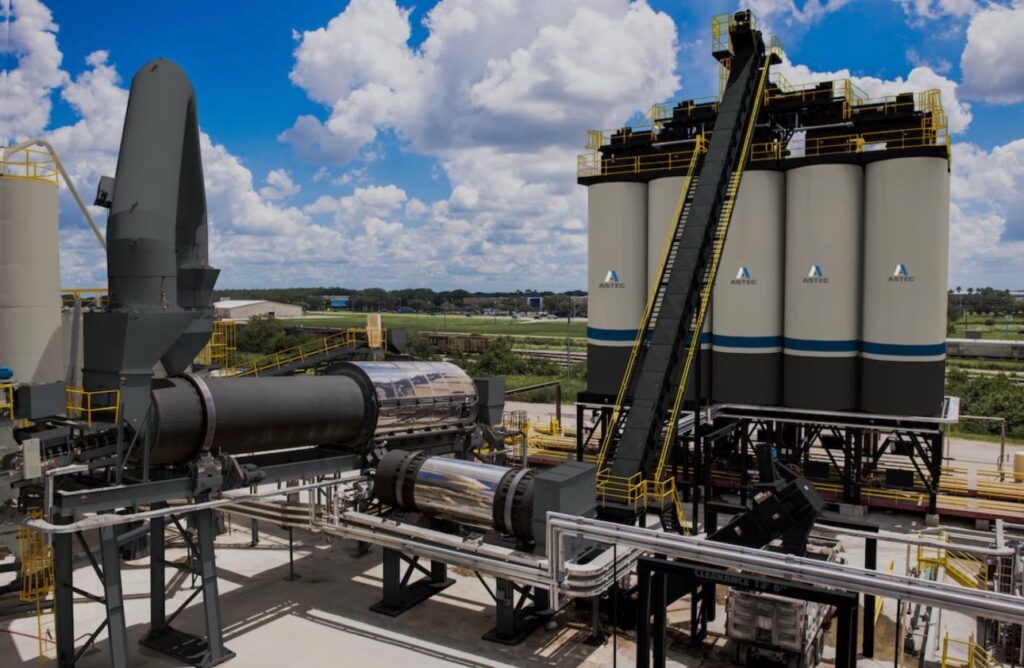
- Hot liquid asphalt binder is delivered to the asphalt plant in tanker trucks and pumped into heated storage tanks.
- Varying sizes of crushed aggregate are delivered to the asphalt plant in dump trucks and placed in separate stockpiles.
- Front-end loaders transfer the aggregate to separate cold feed bins according to aggregate size.
- The cold feed bins distribute the correct amounts of the different-sized aggregate onto the conveyor according to the mix type being produced (Surface Mix, Intermediate Mix, Base Mix).
- The conveyor carries the aggregate to the drum dryer, it is dried and heated
- The conveyor feeds the aggregate into the mixing chamber.
- The heated liquid asphalt binder is pumped into the mixing chamber.
- The two materials are uniformly blended together to form hot mix asphalt. (Asphalt)
- The conveyor carries the asphalt to the storage silo, where it is typically held at around 300°F+.
- Dump trucks pull under the silo, the plant operator discharges the correct amount of asphalt into the dump bed and the asphalt is ready for delivery.
How hot mix asphalt is made.

Asphalt
Also known as Hot Mix Asphalt (HMA)

Asphalt Pavement

Blacktop

Asphalt Concrete (AC)

Plant Mix
Bituminous Concrete

Bituminous Pavement
THE HISTORY OF ASPHALT AROUND THE WORLD
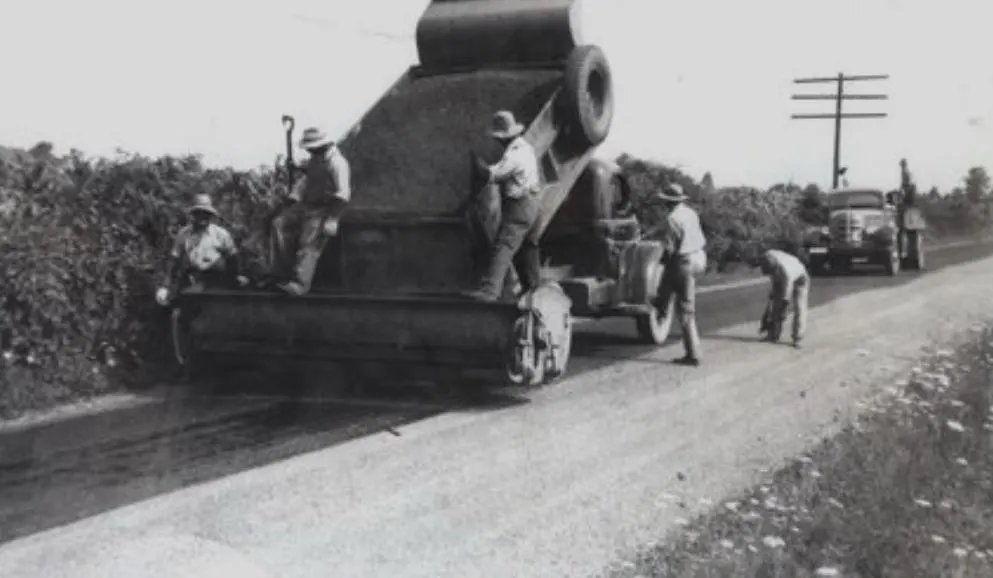
The first historical record of asphalt being used as a paving surface by the Babylonians.
Open lakes and pools of natural bitumen were encountered by European sailors on the island of Trinidad and were used to re-caulk ships.
Over 900 miles of roads were built by Thomas Telford by first installing a layer of large broken stones followed by layers of progressively smaller stones.
His contemporary, John Loudon McAdam, used this same method to build a Scottish turnpike. Later, to reduce dust and maintenance, builders used hot tar to bond the broken stones together, producing “tarmacadam” pavements.
Belgian chemist Edmund J. DeSmedt laid the first true asphalt pavement in the U.S. in Newark, N.J. DeSmedt also paved Pennsylvania Avenue in Washington, D.C. using 54,000 square yards of sheet asphalt from Trinidad Lake. The Cummer Company opened the first central hot mix production facilities in the U.S.
The first asphalt patent was filed by Nathan B. Abbott of Brooklyn, N.Y.
bitumen and aggregate
(“bitu” from “bitumen” and “lithic” from “lithos,” the Greek word for rock).
The first modern asphalt facility was built by Warren Brothers in East Cambridge, Mass.
Production of refined petroleum asphalt replaced the use of natural asphalt. As automobiles grew in popularity, the demand for more and better roads led to innovations in both manufacturing and installing asphalt. Steps toward mechanization included drum mixers and portland cement concrete mechanical spreaders for the first machine-laid asphalt.
During World War II, asphalt technology greatly improved, spurred by the need of military aircraft for surfaces that could stand up to heavier loads.
The Interstate Highways Act is passed by Congress giving over $51 billion to States for public road construction. Road builders required bigger and better road construction equipment, sparking the need for innovations that would shape the future of asphalt paving.
The national energy crisis underscored the need for conservation of natural resources. Since that time, an increasing amount of recycled asphalt has been incorporated in mixes. Today, asphalt pavement is America’s most recycled material, with more than 70 million metric tons of asphalt paving material recycled each year.
NAPA established the National Center for Asphalt Technology (NCAT) at Auburn University in Alabama, providing a more centralized, and systematic approach to asphalt research.
Warm mix asphalt technologies are used in the United States, allowing lower temperature asphalt production and installation.
Balanced Mix Design methods were adopted by transportation agencies, shifting asphalt mixture design toward performance-based testing
THE HISTORY OF ASPHALT AROUND VIRGINIA
(Early 1900s) the majority of the roads in northern Virginia like the rest of the United States were just dirt or gravel. They had uneven surfaces riddled with pot holes and poor drainage, dusty in dry weather, muddy in wet weather making them difficult to travel on.
Northern Virginia State and Local Agencies began the huge undertaking of constructing and upgrading our public roads with asphalt surfaces to improve travel conditions and year round safety. The adoption of asphalt surfaces for paving public roads has played a critical role in supporting the explosion of growth in Northern Virginia over the years.
* Fairfax County
* Loudoun County
* Falls Church
* McLean
* Tysons
* Vienna
* Reston
* Sterling
* Ashburn
* Leesburg
* Frederick County
* Shenandoah County
* Warren County
* Winchester
* Strasburg
* Woodstock
* Front Royal
* Loudoun County
* Fauquier County
* Culpeper County
* Leesburg
* Marshall
* Haymarket
* Warrenton
* Culpeper
* Fauquier County
* Stafford County
* Warrenton
* Stafford
* Falmouth
* Fairfax County
* Prince William County
* Fauquier County
* Culpeper County
* Madison County
* Falls Church
* Fairfax
* Centreville
* Gainesville
* Warrenton
* Culpeper
* Madison
* Brightwood
* Fairfax County
* Loudoun County
* Fauquier County
* Warren County
* Falls Church
* Fairfax
* Chantilly
* South Riding
* Middleburg
* Upperville
* Front Royal
* Warren County
* Front Royal
* Frederick County
* Shenandoah County
* Warren County
* Rappahannock County
* Culpeper County
* Winchester
* Woodstock
* Front Royal
* Sperryville
* Culpeper
* Fauquier County
* Rappahannock County
* Warrenton
* Washington
* Sperryville
* Prince William County
* Fairfax County
* Loudoun County
* Fauquier County
* Manassas
* Centreville
* Chantilly
* Herndon
* Sterling
* Bealeton
* Prince William County
* Fauquier County
* Warren County
* Haymarket
* The Plains
* Marshall
* Front Royal
* Culpeper County
* Culpeper
* Culpeper County
* Culpeper
* Culpeper County
* Culpeper
* Fairfax County
* Prince William County
* McLean
* Vienna
* Oakton
* Fairfax
* Burke
* Lorton
* Fairfax County
* McLean
* Great Falls
* Stafford County
* Falmouth
* Fairfax County
* Fairfax
* Annandale
* Alexandria
* Fairfax County
* Loudoun County
* Chantilly
* Herndon
* Reston
* Sterling
* Madison County
* Madison
* Brightwood
* Madison County
* Rappahannock County
* Madison
* Amissville
* Sperryville
* Fairfax County
* Arlington County
* Springfield
* Alexandria
* Arlington
* Washington DC
* Frederick County
* Winchester
* Fairfax County
* Prince William County
* Stafford County
* Alexandria
* Franconia
* Springfield
* Newington
* Lorton
* Fort Belvoir
* Woodbridge
* Dale City
* Dumfries
* Stafford
* North Stafford
* Garrisonville
* Aquia Harbour
* Fairfax County
* McLean
* Tysons
* Vienna
* Falls Church
* Annandale
* Springfield
* Alexandria
* Burke
* Warren County
* Shenandoah County
* Frederick County
* Front Royal
* Strasburg
* Woodstock
* Winchester
* Frederick County
* Winchester
* Arlington County
* Fairfax County
* Prince William County
* Fauquier County
* Warren County
* Arlington
* Falls Church
* Vienna
* Fairfax
* Centreville
* Manassas
* Gainesville
* Haymarket
* The Plains
* Marshall
* Front Royal
* Fairfax County
* Loudoun County
* Tysons
* Reston
* Herndon
* Sterling
* Ashburn
* Leesburg
* Fairfax County
* Fort Belvoir
* Newington
* West Springfield
* Fairfax Station
* Burke
* Fair Lakes
* Prince William County
* Dumfries
* Montclair
* Manassas
* Bristow
* Gainesville
* Loudoun County
* South Riding
* Arcola
* Ashburn
From major highway infrastructure projects keeping communities better connected to residential driveways, private roads and pipe stems asphalt has played a major role over the years in the quality of life in Northern Virginia communities
WANT TO KEEP LEARNING ABOUT THIS TOPIC?
Return to the TOPIC PAGE to continue exploring related information.

WANT TO EXPLORE A DIFFERENT TOPIC?
Return to the HOME PAGE to browse other topics and find the information you’re looking for.
WOULD YOU RATHER TALK TO A TEAM MEMBER DIRECTLY?
If you need further assistance or would like a free estimate and prefer to speak with someone in person, give us a call.